Vape Culture: Examining the Emergence of Vaping in Contemporary Society
Vape culture has risen as a notable movement among millennials and young adults, fueled by the pursuit of healthier choices and a wide range of flavor varieties. Social media accelerates this movement, presenting vaping as a socially acceptable choice. Nevertheless, the health-related consequences continue to be disputed, prompting serious questions regarding its safety. As vape retailers develop into neighborhood meeting points, the dynamics of this lifestyle continue to shift. What does the future hold for this expanding trend?
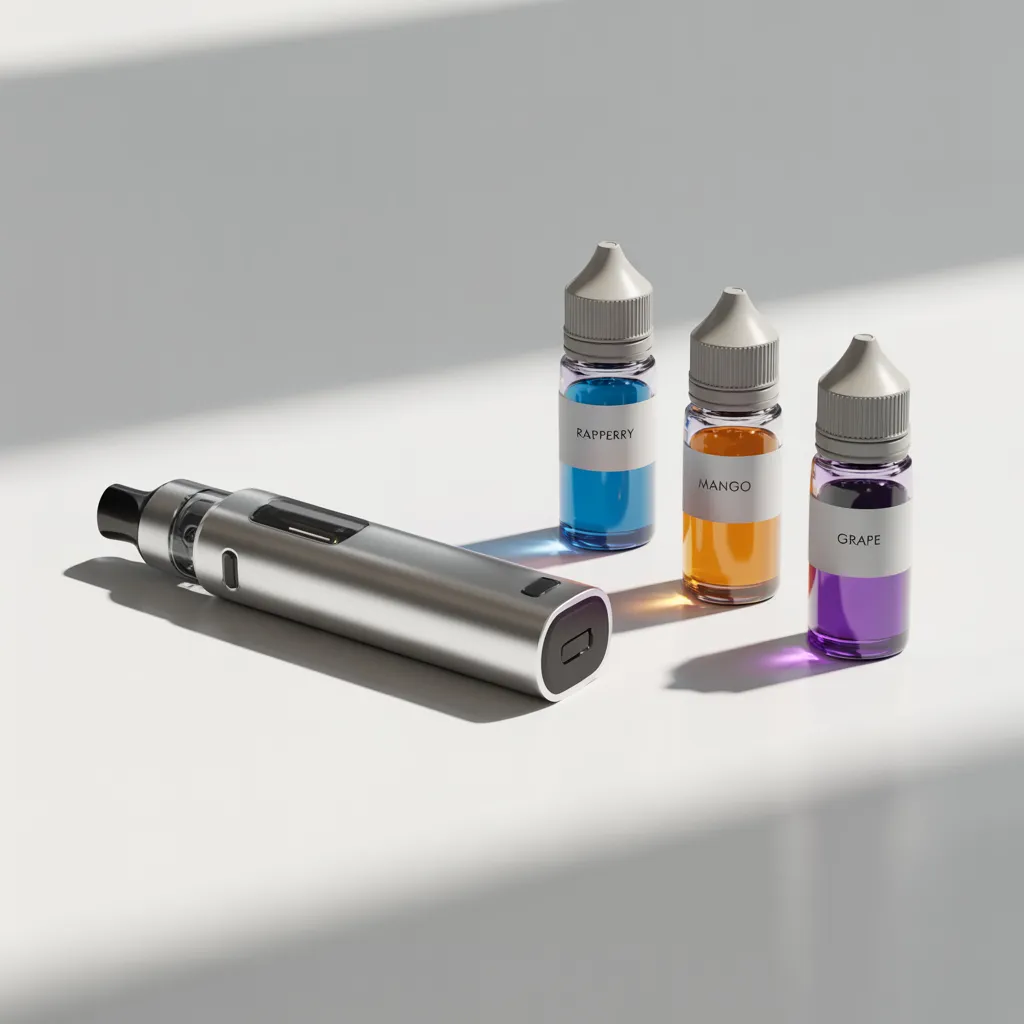
What Is Driving People to Switch to Vaping?
As awareness of the health risks associated with traditional smoking grows, a growing number of people are turning to vaping as an apparently less harmful substitute. This change is motivated by a variety of influences, including the appeal of flavors and customizable options that vaping devices provide. Many users appreciate the varied flavors, which range from fruity to dessert-inspired, making the experience more enjoyable compared to conventional tobacco. Furthermore, vaping is frequently regarded as a more socially welcomed activity, especially among younger age groups. The advanced technology incorporated into vaping devices further provides a examine guide measure of control over nicotine use, drawing in those who wish to decrease their consumption over time. Beyond that, the notion that vaping is less bothersome and leaves behind fewer persistent odors compared to smoking plays a role in its increasing prominence. As a consequence, a broad spectrum of individuals, including both former smokers and those new to nicotine use, are steadily embracing vaping as their preferred choice.
Is Vaping Really Safe? The Health Debate?
How does vaping measure up against conventional smoking in terms of safety? This question has sparked considerable debate among health professionals and the public alike. While vaping is often marketed as a safer alternative to smoking, the reality is more complex. Vaping devices usually include a smaller number of toxic chemicals compared to regular cigarettes, theoretically diminishing some associated health dangers. Despite this, vaping remains a source of hazardous compounds entering the body, among them nicotine, which carries risks of addiction and potential cardiovascular concerns.
Emerging research has raised concerns about the prolonged consequences of the inhalation of vaporized materials, particularly since a large number of e-liquid ingredients lack sufficient research. Furthermore, documented cases of lung injuries tied to vaping have surfaced, adding to the uncertainty surrounding its safety. In the end, while vaping might carry fewer hazards than traditional smoking, it is not without its dangers, warranting careful consideration from users and policymakers alike.
Who's Participating in the Vaping Trend?
What types of people are attracted to vaping? A broad spectrum of individuals is drawn to vaping, spanning various age groups and backgrounds. People in their youth, notably those ranging from their late teens to early twenties, often seek alternatives to traditional smoking, considering vaping a contemporary lifestyle decision. Numerous individuals are driven by the idea that vaping is a safer alternative while providing a personalized experience with diverse flavors and nicotine strengths.
In addition, ex-smokers transitioning to vaping represent a significant demographic. It is frequently regarded as a way to cut back on nicotine while maintaining the pleasure of inhaling. Some individuals are also driven by curiosity, as the social elements of vaping entice those who wish to connect with like-minded individuals or try new things. The trend's accessibility, combined with its perceived novelty, continues to draw a broad spectrum of participants into the world of vaping.
The Way Social Media Influences Vape Culture
In what way does social media impact the vaping community? Social media channels have emerged as key drivers in popularizing and normalizing vaping across diverse audiences. Through visually engaging content, influencers showcase vaping as a lifestyle choice, often emphasizing its aesthetic appeal and social aspects. Hashtags and challenges related to vaping create a sense of community, encouraging users to share their experiences and preferences. Additionally, platforms like Instagram and TikTok allow users to produce and disseminate tutorials, vape tricks, and product reviews, enhancing the visibility of vaping products and brands.
This continuous exchange cultivates an environment where vaping is not just a routine but a means of individual expression. The viral nature of social media amplifies trends, leading to quick transformations in consumer preferences. Consequently, social media functions as a double-edged sword, both increasing visibility of vaping and perhaps embellishing the activity, particularly among a younger generation.
How Vaping Influences Lifestyle Choices
Vaping has emerged as a major influence on modern lifestyle decisions, affecting everything from everyday social encounters to individual identity. For numerous individuals, vaping functions as a social bridge, encouraging bonds in both informal and formal contexts. The act of vaping often creates a shared experience among users, fostering community bonds and establishing norms around social gatherings.
Furthermore, vaping has redefined personal identity for certain people, distinguishing them from traditional smokers or non-smokers. The choice of flavors, devices, and brands empowers individuals to express their preferences and tastes, contributing to a sense of uniqueness.
Moreover, wellness perspectives related to vaping have inspired changes in lifestyle; some users see it as a safer substitute for cigarettes, while some incorporate it within fitness and wellness narratives. At its core, vaping shapes choices related to socializing, self-expression, and health, highlighting its significant effect on present-day living habits.
Vape Retailers: Community Spaces for Enthusiasts
In the evolving landscape of vaping culture, vape shops have emerged as essential gathering places for enthusiasts. Such venues function as meeting spots where people can come together around their shared interest in vaping. Beyond merely selling products, vape shops regularly hold community events, such as tastings and workshops, cultivating a sense of community among patrons.
The experienced staff consistently share useful knowledge into the most recent vaping devices and e-liquids, enhancing the overall vaping experience. This personalized service helps build trust and loyalty within the community. Moreover, vape shops commonly cultivate friendly environments, facilitating social engagement among patrons, which often results in strong friendships and supportive networks.
As vaping continues to gain popularity, these shops serve a vital role in cultivating a culture focused on discovery and learning. By prioritizing community engagement, vape shops not only enhance personal experiences but also aid in building a dynamic, interconnected vaping culture.
Upcoming Trends in Vape Culture
How will the future of vape culture evolve as technology and societal attitudes shift? As advancements in vaping technology continue, innovations including smart devices and tailored options will likely draw in a larger consumer base. Enhanced user interfaces and app integrations may facilitate personalized experiences, allowing consumers to track usage and flavor preferences. Additionally, the growing emphasis on health and wellness could reshape perceptions, leading to more acceptance of vaping as a less harmful alternative to smoking.
Legislative shifts will also play a critical role as legislators adopt more rigorous standards, companies might emphasize accountability and standards, cultivating a more conscientious sector. Public perceptions could keep evolving, with e-cigarettes growing more embedded in everyday society, comparable to the craft beverage or specialty drink movement. In the end, the trajectory of vaping culture will be characterized by a blend of technological innovation, regulatory oversight, and evolving public perceptions, shaping a distinct identity within contemporary society.
Commonly Asked Questions
What Are the Most Popular Flavors Among Vapers Today?
Fruit-based flavors, notably watermelon, mango, and berry, currently dominate the vaping market. Indulgent dessert flavors, such as vanilla custard and rich chocolate, also enjoy popularity, attracting vapers who seek sweet and indulgent options.
What Are the Average Monthly Expenses for Vaping?
The monthly cost of vaping typically range from $30 to $100, varying with device type, usage habits, and e-liquid preferences. Regular users might notice significant cost variations depending on personal preferences and consumption patterns.
What Are the Age Requirements for Buying Vape Products?
Indeed, there are age restrictions when it comes to purchasing vape products. In many regions, individuals must be at least 18 or 21 years old, depending on local laws, to legally purchase vaping devices and related products.
Can Vaping Help People Quit Smoking Entirely?
Vaping might support some users in completely giving up smoking by providing a less harmful alternative. That said, not everyone experiences the same benefits, and continued use of vaping can sustain nicotine reliance in certain individuals.
What Are Widespread Misconceptions About Vaping?
Common misconceptions about vaping involve the assumptions that it is entirely harmless, that it lacks any harmful ingredients, and that it serves only as a stepping stone to smoking. These false beliefs can influence perceptions and behaviors surrounding vaping.